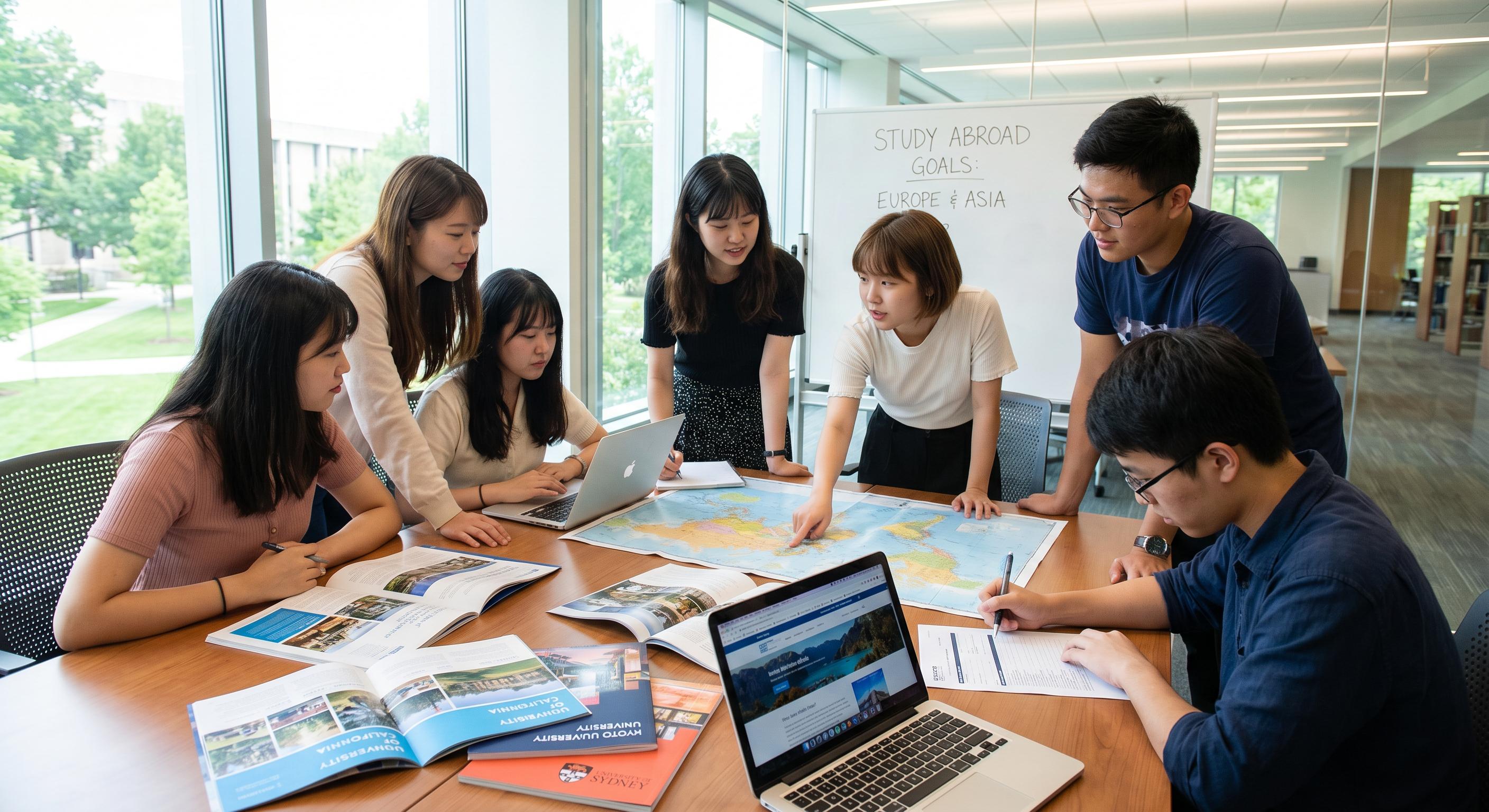
Student International
Talk through your options
Study abroad guidance

A clear route to university abroad, from the wider East Asian and Southeast Asian region.

Student International helps students and families from China, Hong Kong, Malaysia, Thailand, and the wider region turn the goal of studying abroad into a practical, realistic plan — from choosing a destination through to settling in.

Studying abroad asks you to weigh several decisions at once: which country fits, which course suits, what the family budget can support, when to apply, how the visa works, where you will live, and what arrival looks like once you land.

Our role is to make those decisions feel ordered rather than overwhelming. We work alongside students and parents from East Asia and Southeast Asia to map the journey, sequence the steps, and protect the choices that matter most along the way.

Where to start

Two ways to explore.

Some students arrive knowing the country. Others arrive knowing the kind of support they need. Choose the route that matches where you are today.

How we work

A planning approach that holds the journey together.

Four simple stages take you from first conversation to arrival, with the same adviser involved end to end.

  1. 1

    Understand the student.

    Start with a calm conversation about academic goals, course interests, family priorities, and the realities of timing and budget. No commitment, no pressure.

  2. 2

    Shape a realistic shortlist.

    Compare destinations and courses against academic profile, finances, and family preferences. Settle on a list that is ambitious and genuinely achievable.

  3. 3

    Apply with calm structure.

    Manage applications, personal statements, scholarships, and the visa as one connected timeline rather than separate last-minute pushes.

  4. 4

    Stay supported through arrival.

    Continue alongside the student through accommodation, departure, and the first weeks abroad — so the plan does not end the day the offer arrives.

Begin

Start with a clear next step.

A first conversation is short and obligation-free. We listen first, share what we see, and outline the next two or three practical steps to take — together with the family if that helps.