Student International
Talk through your options
Germany

Study in Germany with a clear plan.

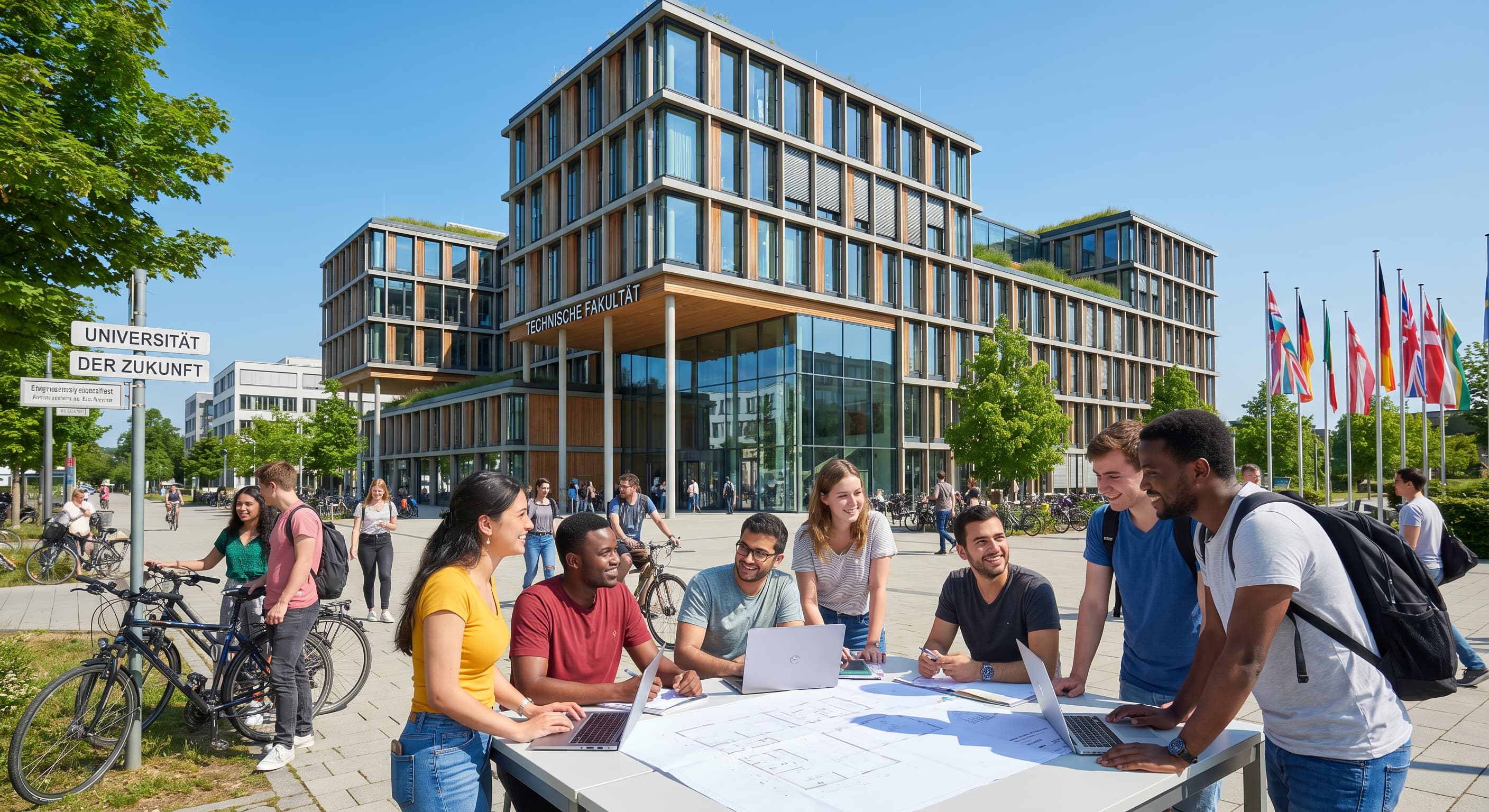
Germany can be a strong study abroad option for students who want academic depth, strong value, and serious subject routes — particularly in engineering, technology, research, applied disciplines, and specialist postgraduate study. It rewards organised, well-prepared choices rather than rushed decisions based on perceived affordability alone.

Germany has long-standing academic credibility and remains particularly attractive for students focused on engineering, technology, research, applied sciences, and specialist postgraduate routes. Public universities can offer strong value when tuition, living costs, accommodation, language preparation, documentation, and visa planning are handled properly from the start. English-taught study is increasingly available, especially at master's level, which has opened Germany to a wider international audience.

That said, Germany is not a simple low-cost shortcut. Daily life, administration, internships, and local integration may still require language and cultural preparation, even on an English-taught course. We help students from China, Hong Kong, Japan, Malaysia, Singapore, Thailand, and the wider East Asian and Southeast Asian region assess whether Germany fits their academic profile, financial picture, and family expectations — so the decision feels grounded rather than aspirational on paper alone.

What to compare

Five things to weigh before choosing Germany.

Germany planning depends on more than tuition. These are the practical comparisons that decide whether the route will actually work for the student in front of us.

English-taught, German-taught, or mixed.
Course language

English-taught, German-taught, or mixed.

English-taught degrees are common at postgraduate level and growing at undergraduate level, but many bachelor's routes still require German. We help compare what is realistic for your language readiness today and what preparation is sensible before applying.

Public, private, and applied universities.
Academic model

Public, private, and applied universities.

Public research universities, universities of applied sciences, and private institutions teach in different ways and carry different costs. Subject specialism, teaching style, and long-term recognition matter as much as the name above the door.

Tuition value with a full living-cost picture.
Total cost

Tuition value with a full living-cost picture.

Public tuition can be low or nominal, but living costs, accommodation, health cover, semester fees, and financial-evidence requirements still need careful planning. The brochure figure is rarely the full figure.

Daily life, internships, and administration.
Language for life

Daily life, internships, and administration.

Even on an English-taught course, daily life, part-time work, internships, and local administration usually involve German. We help judge how much language preparation is realistic before departure and what to plan for after arrival.

Certified records, financial evidence, and visa readiness.
Documents and visa

Certified records, financial evidence, and visa readiness.

Germany expects organised application documents, certified academic records, careful financial evidence, and a well-prepared study visa file. Starting these early is often the difference between a calm process and a rushed one.

How we help

A four-step route through your Germany planning.

A simple sequence that keeps the destination decision connected to applications, funding, and the practical work that follows.

  1. 1

    Clarify direction and readiness.

    We talk through academic background, subject direction, language readiness, budget, and preferred course level — so the Germany conversation starts from the student's actual position rather than a brochure.

  2. 2

    Compare universities, cities, and course models.

    We compare German universities, course models, and cities by fit — including English-taught options, public versus private routes, and where the student's subject specialism is genuinely strong.

  3. 3

    Identify which support steps you actually need.

    We identify which application, funding, visa, language, or transition steps need real support, and which are manageable on your own — so the plan stays focused and proportionate.

  4. 4

    Connect the decision to the next practical action.

    We turn the destination decision into a concrete next step — whether that is shortlisting courses, preparing documents, planning finances, or starting visa preparation in the right order.

Beyond the application

Support that continues after the offer.

An offer is not the whole journey. Once a German university place is on the table, students still face decisions about final university choice, scholarships, tuition planning, study visa preparation, accommodation, travel timing, and language and academic readiness for a more structured environment. We stay involved through these stages so the plan does not lose momentum after admission.

Students from China, Hong Kong, Japan, Malaysia, Singapore, Thailand, and the wider East Asian and Southeast Asian region often balance ambition with family expectations around cost, welfare, language, communication, accommodation, travel, and the support available after arrival. We keep the student at the centre of the conversation while making sure parents and guardians have the reassurance they need.

Can I really study in Germany in English?

Often yes, especially at master's level and increasingly at undergraduate level in subjects like engineering, business, and applied sciences. We help you compare English-taught, German-taught, and mixed routes against your subject direction and language readiness, and decide what preparation is sensible before applying.

How affordable is Germany once everything is added up?

Public tuition can be low or nominal, which makes Germany strong on value, but living costs, accommodation, health cover, and financial-evidence requirements still need careful planning. We look at the full multi-year picture rather than the headline tuition figure alone.

What language preparation should I plan for?

Even on an English-taught course, daily life, internships, part-time work, and local administration usually involve German. Some preparation before departure and continued learning after arrival are realistic expectations, and we help judge how much is needed for your route.

What does the application and visa process actually involve?

Germany expects organised application documents, certified academic records, careful financial evidence, and a well-prepared study visa file. We help you sequence these steps, alongside study in Europe comparisons if you are still weighing other countries in the region.

Begin

Start your Germany plan with more clarity.

A first conversation is short and obligation-free. We listen first, then suggest the practical next steps worth focusing on now — and explain how each one fits your wider study abroad journey.