Student International
Talk through your options
Thailand · Tuition support

Tuition support, made for students going abroad from Thailand.

Admission to an overseas university is not the end of preparation. Thai classrooms often centre on rote learning, structured notes, and teacher-led explanation; overseas seminars typically expect source-based reading, discussion contribution, and independent argument. Tuition support helps Thai students close that gap calmly, before it becomes a first-term problem.

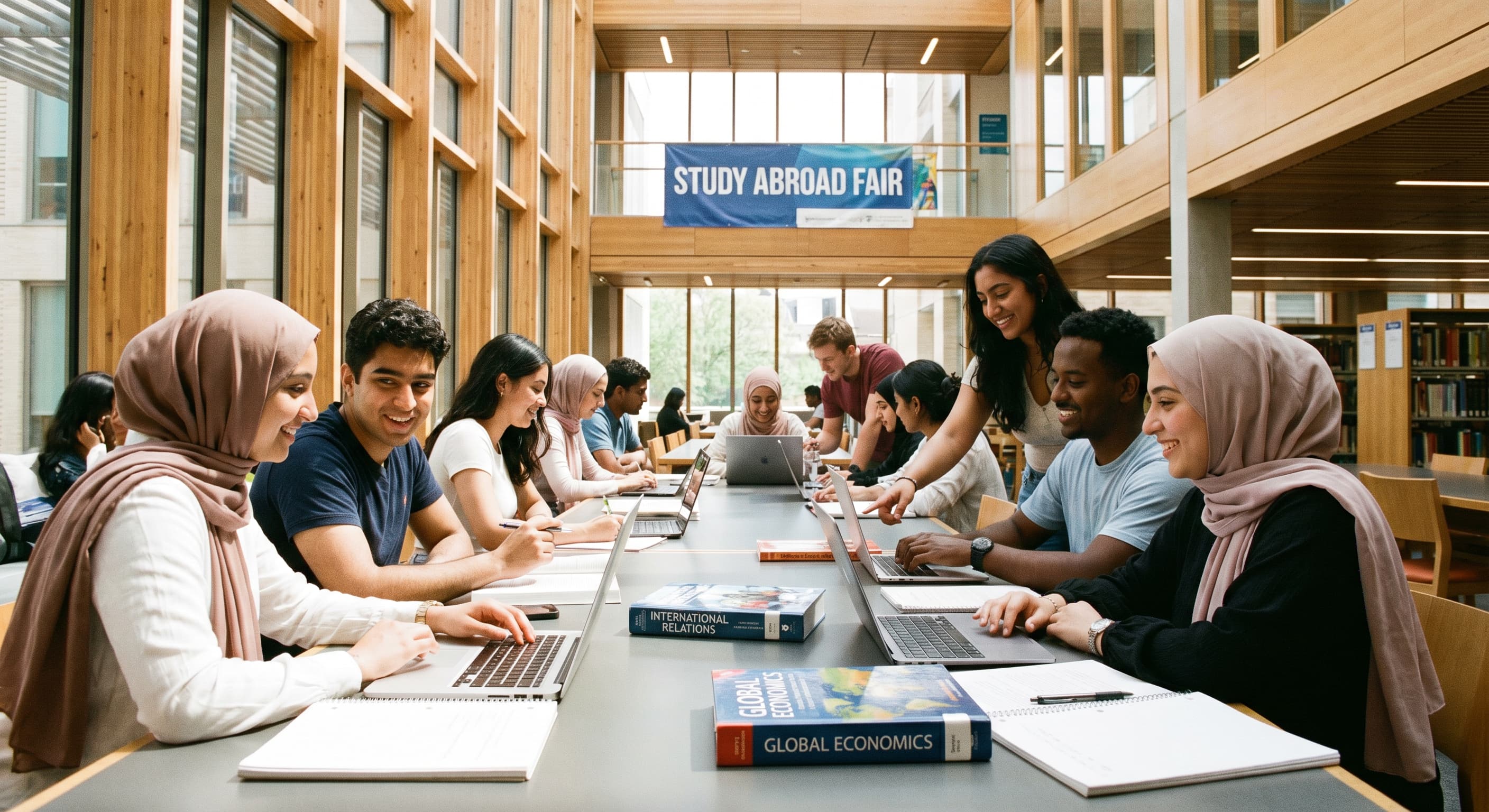
Tuition support helps students in Thailand build academic confidence, study habits, subject readiness, and academic English skills for overseas education. It is most useful where the student needs to adapt to different teaching styles, coursework expectations, class participation, independent study, academic writing, and assessment methods — not as remedial help, but as preparation for a different academic environment.

The service suits Thai students about to begin overseas study, students bridging from Mathayom 6, A Level, IB, AP, GED, international-school diploma, foundation, or vocational diploma routes, and students already overseas who want steadier academic ground in their first term. It also gives families clearer visibility on academic readiness without taking the lead away from the student.

How we support this stage from Thailand

Five practical parts of academic readiness.

Tuition support builds independence, not dependence. We focus on the skills and habits that overseas study assumes from week one, not on doing work for the student.

Academic English and communication.
Academic English

Academic English and communication.

Bridging support for essays, seminars, presentations, emails, and group work, framed around the difference between Thai-medium or bilingual English habits and the academic English expected in overseas lectures, reading lists, and assessment.

Subject readiness across the gap.
Subject confidence

Subject readiness across the gap.

Targeted work on the content and skills gap between Thai curriculum subjects and overseas first-year modules in common fields — calibrated to what the student actually needs, not a generic syllabus.

Learn to write for an overseas reader.
Essay writing

Learn to write for an overseas reader.

Overseas assessment depends heavily on structured argument, evidence-based reasoning, and academic referencing. We help Thai students build essay-writing confidence before it is tested in a real submission deadline.

Independent study habits.
Study habits

Independent study habits.

Reading lists, deadlines, feedback cycles, revision, and weekly planning — the everyday habits that overseas seminars assume but rarely teach explicitly. Building these before departure from Thailand makes the first term noticeably calmer.

Prepare for how work is marked.
Assessment readiness

Prepare for how work is marked.

Clear, visible goals for coursework technique, exam format, presentation skills, and academic communication — so the student knows what good work looks like overseas before the first assignment is due.

Thai curriculum bridge

Where Thai students usually start.

Most Thai students arrive at overseas study with a recognisable academic starting point. The gap to overseas first-year work is rarely about ability — it is about a different academic style. Naming the starting point honestly is what makes the readiness plan effective.

This is readiness planning, not a guaranteed level mapping. Each university and course sets its own expectations, and current entry requirements should be confirmed at the time of applying.

  • Local curriculum background — students from Thai government schools, bilingual programmes, and international schools each arrive with a different English-medium writing baseline. The readiness plan adjusts to the route.
  • Thai-to-English academic transition — even students with strong conversational English may find the shift to academic writing, source-based reading, and seminar discussion challenging. The gap is real but usually closable with focused preparation.
  • Essay and seminar expectations — Thai classrooms often centre on memorisation and structured answers; overseas seminars expect critical thinking, argument building, and independent contribution. The first weeks usually need new habits, not just more effort.
  • Subject gaps from Thai or bilingual school — common differences between Thai curriculum content and overseas first-year modules in Mathematics, Sciences, Economics, and Humanities. Focused bridging work closes the gap before it becomes a first-term problem.
  • Shift into overseas teaching and assessment — Mathayom 6 completers, A Level, IB, AP, GED, foundation, and international-school diploma students typically arrive at overseas study with different gaps. The plan adjusts to the pathway.
The Student International approach

A grounded sequence for academic readiness from Thailand.

Four steady stages that build independence rather than dependence, calibrated to the destination and timeline.

  1. 1

    Diagnose, don't assume.

    We start with current academic position, results, and the destination's expectations — so the work targets the genuine gap and not a generic curriculum.

  2. 2

    Set readiness goals.

    We agree visible goals for academic English, subject content, writing, and study habits with a calendar that fits intake timing — so progress is measurable.

  3. 3

    Build the habits before arrival.

    We work through reading, writing, seminar contribution, and assessment technique in a way the student can sustain after they leave Thailand — the habits are the point.

  4. 4

    Adjust during the first term.

    Where useful, support continues into the first term abroad — with feedback from real coursework, real seminars, and real deadlines, so the student adjusts faster than they would alone.

When should tuition start?

As early as the student and family are ready. Some of the most useful work happens before an overseas offer arrives, particularly for academic English bridging or subject readiness. Earlier preparation usually translates into a calmer first term abroad.

Is it only English?

No. Tuition support covers academic English, subject content, essay writing, study habits, presentations, group work, and assessment technique. The aim is overseas-study readiness across the skills that matter, not only language improvement.

Can it work alongside school?

Yes. Many Thai students begin tuition support while still completing Mathayom 6, A Level, IB, or an international-school programme. The schedule is designed to complement current study without overloading the student.

Does it help with university prep tests?

Tuition support can include preparation for IELTS, subject-specific entrance requirements, and academic writing standards expected by overseas universities. The focus is readiness for the academic environment, not exam coaching alone. For UK-specific readiness, see UK tuition support from Thailand.

Begin

Build readiness from Thailand with more clarity.

A first conversation is short and obligation-free. We listen first, then suggest a small set of readiness goals worth focusing on now — with the student's pathway, intake timing, and destination expectations at the centre.